

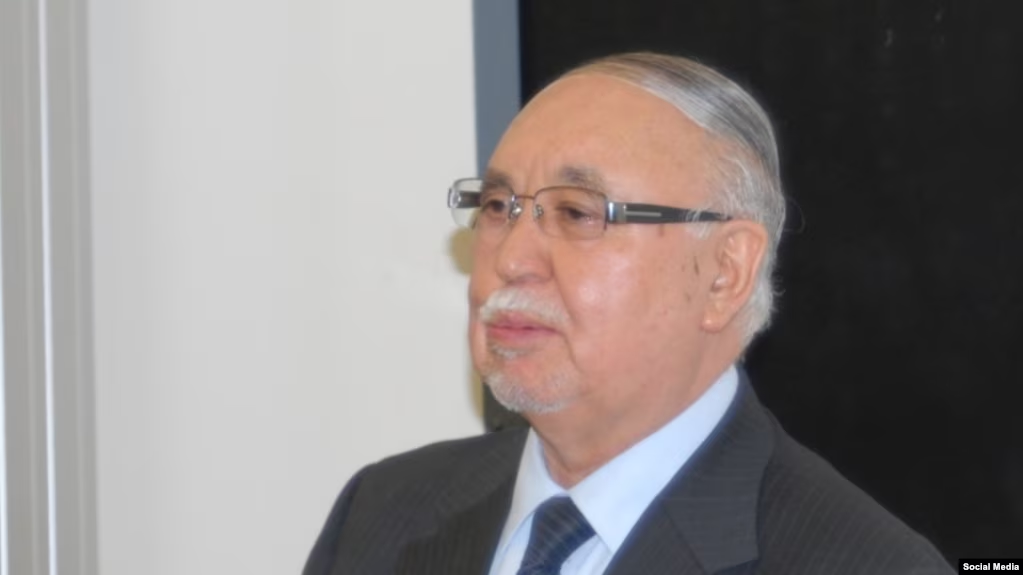
Sultan Ali Keshtmand, former Prime Minister of Afghanistan and one of the country’s most prominent political figures, has died in London at the age of 91.
Keshtmand was born on May 22, 1935, in Kabul into a Hazara family. He completed his early education in Kabul and later studied economics at Kabul University. From a young age, he became involved in political and intellectual activities and eventually joined the People’s Democratic Party of Afghanistan (PDPA).
He entered the political scene during the 1960s and 1970s and rose to prominence following the political changes of 1978. In the 1980s, he served as Prime Minister of Afghanistan for two terms, playing a key role during one of the most critical and turbulent periods in the country’s modern history.
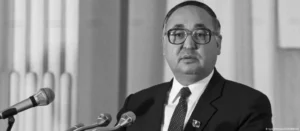
Keshtmand is widely regarded as a pragmatic politician and a leading figure of the Parcham faction of the PDPA. He attempted to promote ethnic balance and broader political participation within the framework of the state at the time. While his supporters view him as an advocate of social justice and national unity, critics have questioned his role within the Soviet-backed government.
As a member of the Hazara community, Keshtmand holds a unique place in Afghanistan’s history. He was one of the very few Hazara leaders to reach the highest levels of political power, marking a significant milestone for a community that has historically faced marginalization and discrimination.
However, after his tenure, no Hazara figure has been able to attain a similar level of political authority. Decades of conflict, political instability, and structural changes limited such opportunities, pushing the Hazara community once again to the margins of power.
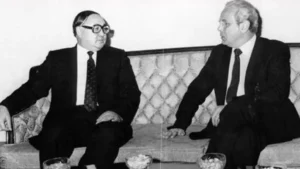
Even after the political changes following 2001, despite increased participation of Hazaras in government institutions, access to the highest levels of power remained limited. Many observers believe that the opportunities created during this period were not fully utilized to strengthen the community’s political position.
The death of Sultan Ali Keshtmand marks the end of an era in Afghan politics. He will be remembered not only as a former prime minister but also as a symbol of Hazara representation at the highest level of state power in Afghanistan.