
Saturday, April 18, 2026
spot_img
HomeNewsAfghanistan newsBalkhab: Mineral Wealth in the Shadow of Poverty, Power and Distrust

Balkhab: Mineral Wealth in the Shadow of Poverty, Power and Distrust

Special Report | April 2026

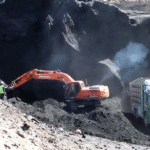
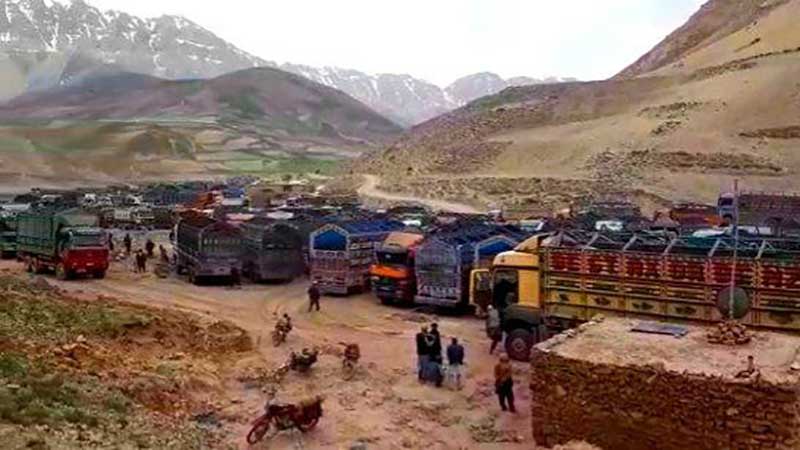
In the remote mountains of Balkhab district in Afghanistan’s Sar-e Pol province, coal extraction continues without pause. Once largely overlooked, the area has now become one of Afghanistan’s most important mining centres. But for many local residents, this economic activity has not brought meaningful improvements to daily life.

Resources That Changed Balkhab’s Fate

Balkhab is one of the regions with significant coal reserves. In recent years, particularly since 2025, extraction has increased sharply and the area has become an important part of Afghanistan’s resource-based economy.

Officials present this expansion as part of a broader effort to strengthen the economy and reduce dependence on foreign aid. Mining operations involving dozens of tunnels and hundreds of workers are now active across the region.

But the importance of Balkhab’s mines is not only economic.

Balkhab’s mines are helping finance national projects, but not local prosperity.
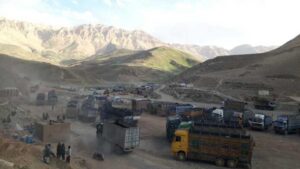
Balkhab mines fuel national projects, but not local prosperity

Mines and the Roots of Tension

Analysts say control of Balkhab’s mines played a major role in the 2022 clashes between the Taliban and local forces. Those confrontations led to civilian deaths and the displacement of thousands of families.

Although large-scale violence has eased, its consequences are still felt in the area. Distrust between local communities and the authorities remains deep.

Revenues: Transparent or Hidden?

As foreign aid has declined, the Taliban administration has placed greater emphasis on natural resource extraction. In this context, Balkhab’s mines have become an important source of revenue.

Yet one central question remains unresolved:
How, and where, are the revenues from these mines being spent?

Contrary to what might be expected, Balkhab’s mineral wealth has not brought comfort, prosperity, or improved living standards to the region and its people. Over different periods, the proceeds from mining have largely benefited the de facto authorities and political power structures, while the share reaching local communities has remained relatively small.

These resources have never been meaningfully used to improve public welfare in Balkhab or to develop urban infrastructure, educational facilities, recreational spaces, or healthcare services in the district.

In the absence of independent oversight, it is difficult to assess how mining revenues are managed. Officials say these funds will be used for infrastructure projects, but clear evidence of tangible local benefits remains limited.

Living in the Shadow of the Mines

Residents of Balkhab describe a very different reality from the one presented in official narratives.

One resident said:

“Coal leaves this area, but poverty remains.”

While mining has created some jobs, many of these positions are temporary, low-paid, and lack basic safety guarantees and social protections.
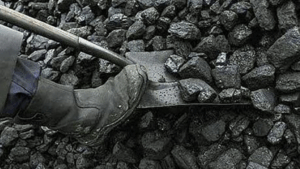
Contrary to popular belief, the wealth of Balkhab has not brought prosperity or improved quality of life to the people of this region.

Risks and Concerns

Reports indicate that working conditions in some mines fall short of proper safety standards. Workers have complained about inadequate equipment and the risk of tunnel collapses.

There are also wider concerns about the lack of financial transparency, the absence of independent monitoring, and the environmental impact of extraction.

Experts warn that if the current trend continues, natural resources may become a driver of inequality and instability rather than development.

An Uncertain Future

Balkhab now stands at a critical moment. On one hand, it has natural resources that could support genuine economic growth. On the other, persistent challenges continue to block that potential.

The central question is whether these resources will ever improve the lives of local people, or whether they will remain primarily in the service of existing power structures.

RELATED ARTICLES

LEAVE A REPLY

Please enter your comment!
Please enter your name here

- Advertisment -spot_img

Most Popular

We use cookies to personalise content and ads, to provide social media features and to analyse our traffic. We also share information about your use of our site with our social media, advertising and analytics partners. View more
Cookies settings
Accept
Decline
Privacy & Cookie policy
Privacy & Cookies policy
Cookie name Active

Who we are

Our website address is: https://sarepol.com.

What personal data we collect and why we collect it

Comments

When visitors leave comments on the site we collect the data shown in the comments form, and also the visitor’s IP address and browser user agent string to help spam detection. An anonymized string created from your email address (also called a hash) may be provided to the Gravatar service to see if you are using it. The Gravatar service privacy policy is available here: https://automattic.com/privacy/. After approval of your comment, your profile picture is visible to the public in the context of your comment.

Media

If you upload images to the website, you should avoid uploading images with embedded location data (EXIF GPS) included. Visitors to the website can download and extract any location data from images on the website.

Contact forms

Cookies

If you leave a comment on our site you may opt-in to saving your name, email address and website in cookies. These are for your convenience so that you do not have to fill in your details again when you leave another comment. These cookies will last for one year. If you visit our login page, we will set a temporary cookie to determine if your browser accepts cookies. This cookie contains no personal data and is discarded when you close your browser. When you log in, we will also set up several cookies to save your login information and your screen display choices. Login cookies last for two days, and screen options cookies last for a year. If you select "Remember Me", your login will persist for two weeks. If you log out of your account, the login cookies will be removed. If you edit or publish an article, an additional cookie will be saved in your browser. This cookie includes no personal data and simply indicates the post ID of the article you just edited. It expires after 1 day.

Embedded content from other websites

Articles on this site may include embedded content (e.g. videos, images, articles, etc.). Embedded content from other websites behaves in the exact same way as if the visitor has visited the other website. These websites may collect data about you, use cookies, embed additional third-party tracking, and monitor your interaction with that embedded content, including tracking your interaction with the embedded content if you have an account and are logged in to that website.

Analytics

Who we share your data with

If you request a password reset, your IP address will be included in the reset email.

How long we retain your data

If you leave a comment, the comment and its metadata are retained indefinitely. This is so we can recognize and approve any follow-up comments automatically instead of holding them in a moderation queue. For users that register on our website (if any), we also store the personal information they provide in their user profile. All users can see, edit, or delete their personal information at any time (except they cannot change their username). Website administrators can also see and edit that information.

What rights you have over your data

If you have an account on this site, or have left comments, you can request to receive an exported file of the personal data we hold about you, including any data you have provided to us. You can also request that we erase any personal data we hold about you. This does not include any data we are obliged to keep for administrative, legal, or security purposes.

Where we send your data

Visitor comments may be checked through an automated spam detection service.

Your contact information

Additional information

How we protect your data

What data breach procedures we have in place

What third parties we receive data from

What automated decision making and/or profiling we do with user data

Industry regulatory disclosure requirements

Save settings
Cookies settings