


Balkhab is considered one of Afghanistan’s richest districts in terms of natural resources. With significant coal reserves, valuable mineral deposits, abundant water resources, fertile land, and extensive pastures, the district has considerable economic potential. Yet the daily lives of many people in Balkhab show that this natural wealth has still not translated into sustainable development and improved living standards for local communities.
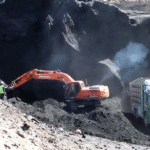
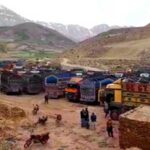
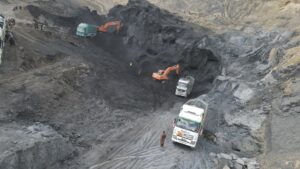
In recent years, coal extraction in Balkhab has increased, and the mines have become an important source of revenue for the Taliban government. Despite the significant income generated from coal, many residents of Balkhab believe that local communities receive only a very limited share of the benefits. Many villages still lack adequate roads, reliable electricity, healthcare facilities, educational opportunities, and employment, while little visible improvement has been seen in people’s everyday lives.
Development, however, does not depend solely on the existence of natural resources. The experience of other parts of Afghanistan demonstrates that human capital, community initiative, and collective investment can drive progress even in areas without substantial mineral wealth.
Jaghori district, for example, does not possess major coal or copper resources comparable to those of Balkhab. Nevertheless, through community investment, support from its diaspora, a strong emphasis on education, and the expansion of local businesses, the district has experienced considerable development in schools, marketplaces, healthcare facilities, modern housing, and other infrastructure projects. This experience demonstrates that development does not come only from what lies beneath the ground; it can also be built through education, investment, cooperation, and the active participation of local communities.
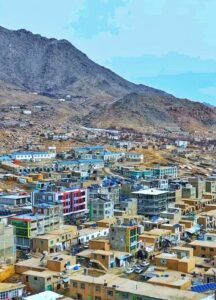
Balkhab can draw lessons from such experiences. The district not only possesses significant natural resources but also has thousands of educated young people, professionals, entrepreneurs, and successful businesspeople living both inside Afghanistan and abroad who could play an important role in the development of their homeland.
If investors and members of the Balkhab diaspora dedicate part of their resources to establishing businesses, factories, educational institutions, agricultural projects, livestock enterprises, marketplaces, and small industries, the local economy could gradually become less dependent on the extraction and export of raw coal.
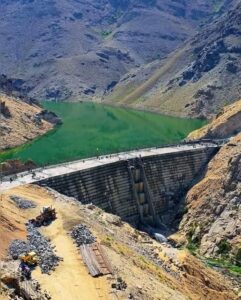
At the same time, the authorities have a responsibility to ensure that revenues generated from the region’s natural resources contribute to local development. Investment is urgently needed in standard roads, electricity networks, clean drinking water systems, schools, hospitals, vocational training centres, and other essential infrastructure. Without such investment, the wealth beneath Balkhab’s soil cannot be transformed into prosperity for the people living above it.
Balkhab’s future should not be defined by coal mining alone. Its long-term prosperity will depend on combining natural resources with human capital, education, responsible management, private investment, and meaningful community participation.
Balkhab has the potential to become an important economic centre in Afghanistan. Achieving that potential, however, requires both a fairer investment of the revenues generated from the region and greater participation from the people of Balkhab themselves through cooperation, entrepreneurship, education, and investment in their homeland.
Balkhab possesses enormous wealth. The time has come for that wealth to be reflected in the lives of its people—not only in statistics showing how much coal has been extracted from its mountains.